


What is Warm Minimalism: How Interior Design Styles are Evolving in 2026
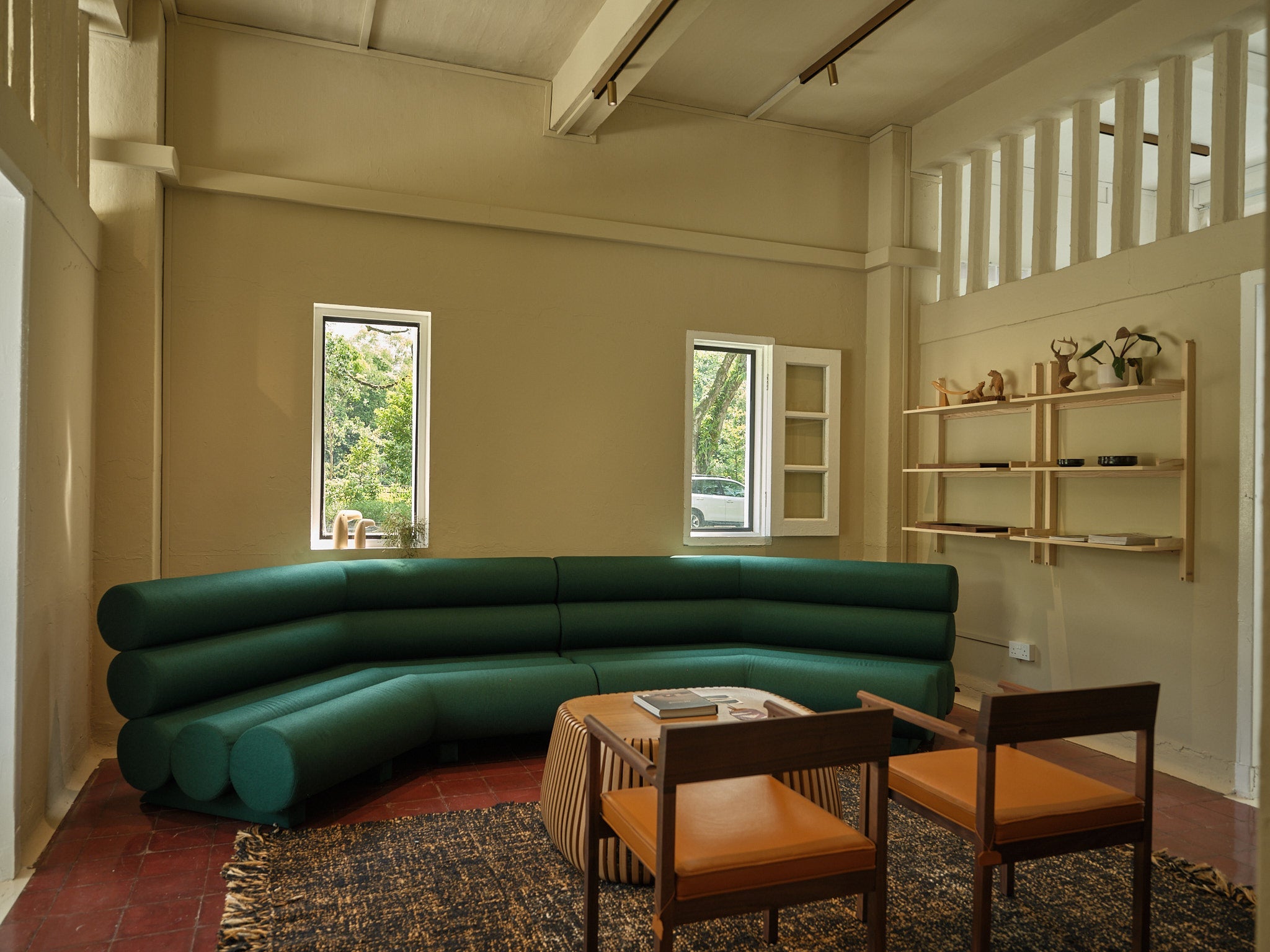
The Singaporean home is undergoing a transformation. The era of clinical, cold, sterile, stark white minimalist interior design has passed (or so we hope), morphing its gentler, warmer, more lived-in counterpart in 2026. Houses no longer feel like galleries, living rooms no longer resemble commercial lobbies, kitchens and studies now brim with the richness of a life fully lived.
This evolution has been termed “warm minimalism”, a design approach that prioritises quality, tactile textures, and the soft play of natural light over mere emptiness. While still retaining its minimalist roots, it signals an embrace of material honesty where furniture and furnishings are intentionally curated to make a home feel more welcoming and grounded.
Four design styles can fall under the larger umbrella of warm minimalism: Japandi, Scandinavian, Nordic, and Wabi-sabi. To help you approach your 2026 interior design with intention, we’ll break down key differences in the nuance, emotional intent, and material palette of these four distinct styles.
The Four Pillars of Warm Minimalism
Wabi-Sabi Interior Design
Wabi-sabi is a traditional Japanese philosophy that finds profound beauty in the imperfect and ephemeral. Transience, incompletion, and nuance are valued, reflective of its Buddhist origins and embrace of the incomplete.
In interior design this translates into an “honest” way of living that views marks of time—the weathering of wood grain, cracks in handmade ceramics, heavy linens—as stories and memories, rather than flaws. Aesthetically, Wabi-sabi tends to be raw, rustic, and intentionally asymmetrical. Perfection isn’t the focus here; instead, you’re encouraged to slow down and find contentment in the “as is”.
Be Inspired: Divide Coffee Table | Anotherland Live Well Mist Set
Scandinavian Interior Design
Often associated with the concept of "Hygge" (cosiness), Scandinavian (or Scandi) interior design is a light and airy approach crafted to maximise natural light and space. Bright white walls, pale Ash woods, and “leggy” furniture silhouettes create visual space ideal for making rooms seem bigger in small house interior design.
Adopting Scandinavian design doesn’t mean sticking to all white tones, though. Bright neutrals and soft textiles add warmth to the base, uplifting the ambiance with the intended end result of a friendly, cosy atmosphere where quick catch-ups can’t help but turn into hour-long conversations.
Be Inspired: Ante Shelves | Bino Breakfast Table
Nordic Interior Design
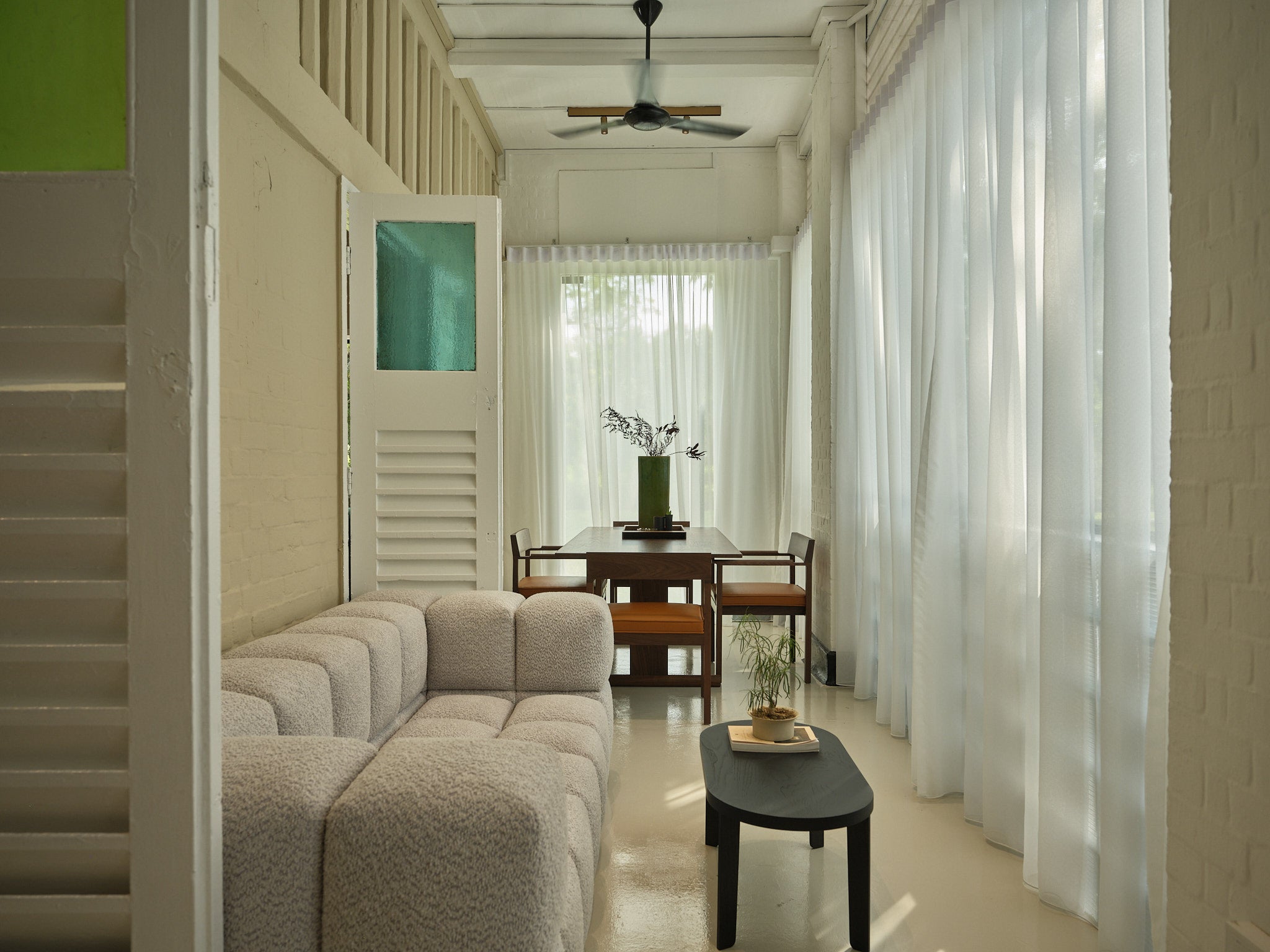
While often used interchangeably with Scandi, Nordic interior design is in fact a broader regional style that reflects a deeper, moodier connection to the rugged landscape. Where Scandinavian aligns with the light and ethereal, Nordic grounds itself in earthier tones.
Think charcoal accents, forest greens, and more substantial ‘heavier’ pieces such as solid wood furniture. Heavier textures and chunkier forms create a protective, sturdy embrace for a reliable escape from the long day. Soft organic textures echo the moss and underbrush of the forest, adding a soothing serenity to your sanctuary.
Be Inspired: Antera Bed | Antera Shelves | Antera Bench
Japandi Interior Design
You’ve likely heard of Japandi before. A combination of Japanese and Scandinavian design, this hybrid blends Scandi’s cosy warmth with Japanese interior design’s simplicity. Though on the ‘colder’ side of warm minimalism, Japandi nonetheless embraces a ‘realer’, lived-in approach to design.
Visual markers include low-slung furniture (echoing traditional Japanese zaisu floor chairs) and a balanced mix of light and dark woods. Negative space (“Ma” in Japanese) is also utilised to imbue a space with balance while keeping sightlines clear and energy flowing organically through the space.
Be Inspired: Axis Sofa | Article No. 11
Finding Your Unique Rhythm
Whether you find yourself drawn to the rustic depth of Wabi-sabi versus the two worlds of Japandi, warm minimalism interior design is ultimately an invitation to intentional living. It’s about choosing pieces that resonate with your personal philosophy; items that serve a purpose while feeding the soul.
We invite you to experience these textures and silhouettes in person at our Experience Centre at 8 Baker Street. From designer 2-seater sofas to modern living room furniture, discover what calls to you. Book your studio visit and get 5% off your online order today.


